Investing in Insight: Why Facility Condition Assessments Are Essential for Hotels and Senior Living Communities
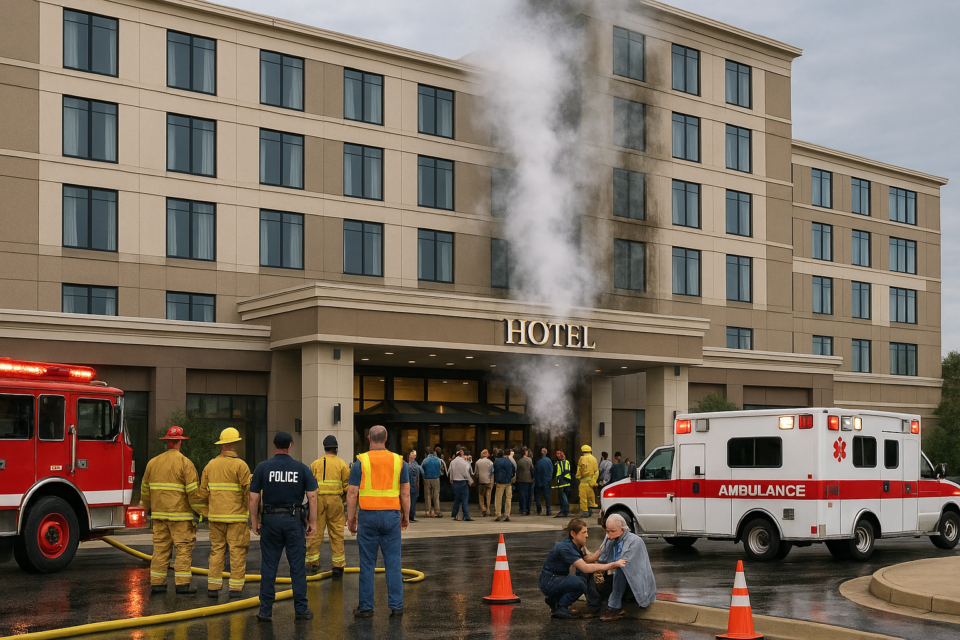
As hotels and senior living facilities navigate aging building stock, rising operating costs, and increasing guest and resident expectations, one strategic decision has proven critical to long-term success: investing in a comprehensive Facility Condition Assessment (FCA). While these assessments require a modest upfront investment, the cost of understanding when systems will fail is significantly lower than the cost of reacting after failure occurs—and that investment is often recouped during the first emergency breakdown that is avoided by proactively identifying risks. This clarity and foresight allow owners and operators to protect assets, control risk, and significantly reduce long-term capital and operating costs.
Facility Condition Assessments go far beyond identifying cosmetic issues. They offer a structured, professional evaluation of a facility’s major building systems, façades, HVAC, plumbing, electrical, life safety, and site infrastructure—documenting current conditions, remaining useful life, and anticipated capital needs. For asset-intensive environments such as hotels and senior living communities, where reliability, safety, and uninterrupted operations are critical to mitigating liability exposure, this level of insight is indispensable.
Our firm brings extensive experience performing Facility Condition Assessments across a wide range of building types and portfolios. That depth of experience allows our teams to quickly identify systemic issues, aging infrastructure trends, and hidden risks that are often overlooked during routine maintenance or ad-hoc repairs. While every facility type has unique operational demands, the fundamental drivers of building performance—and failure—remain consistent, making a disciplined FCA process highly transferable to hospitality and senior living environments.
Hotels face the challenge of operating continuously in highly competitive markets. Deferred maintenance may not be immediately visible to guests, but aging mechanical systems, worn roofs, or underperforming electrical infrastructure can quickly lead to service disruptions, emergency repairs, and lost revenue. A comprehensive FCA identifies these vulnerabilities early, allowing owners to plan capital investments proactively and avoid costly, reactive decisions that negatively impact both budgets and guest experience.
Senior living facilities carry an even higher level of responsibility. In addition to protecting the physical asset, operators must prioritize resident safety, comfort, and long-term reliability. Mechanical failures, envelope deficiencies, or accessibility issues can have serious consequences if left unaddressed. Facility Condition Assessments provide leadership with a defensible, data-driven roadmap for reinvestment—supporting informed decision-making while balancing financial stewardship and resident wellbeing.
One of the most common misconceptions about Facility Condition Assessments is cost. While an FCA does represent an upfront expense, it consistently delivers long-term financial value. By reducing unplanned repairs, avoiding premature system replacements, and enabling smarter sequencing of capital improvements, assessments often pay for themselves many times over.
Our FCA approach emphasizes accuracy, consistency, and usability. Standardized component evaluations, documented remaining useful life, and realistic cost modeling provide clients with actionable data that supports capital planning, reserve funding, ownership transitions, and funding discussions. Just as importantly, experience allows us to distinguish between conditions that truly require immediate investment and those that can be managed effectively through targeted maintenance.
Ultimately, Facility Condition Assessments are not about documenting deficiencies, they are about empowering better decisions. For hotel owners and senior living operators, an FCA provides the insight needed to invest wisely, extend asset life, and protect long-term value. In an environment where capital dollars are limited and expectations continue to rise, investing in understanding facility conditions is one of the most financially responsible decisions an organization can make.