For hotel owners, protecting asset value and maintaining operational performance has become increasingly difficult. Aging building systems, tight post-COVID budgets, rising renovation costs, competing capital priorities, and constant pressure to deliver a strong guest experience make it harder to decide where and when to invest.
At the same time, a hotel is a uniquely perishable asset. Every day a room is unavailable, an HVAC system fails, water intrusion goes undetected, or a critical building component reaches the end of its useful life without a plan, you lose revenue, increase operating costs, and risk higher capital expenses.
Traditional facility management is often reactive: something fails, and the hotel responds.
Every dollar you don’t have to spend reactively is a dollar you can invest strategically.
Smarter facility management begins with understanding what is actually happening throughout a property. A property-wide, system-by-system assessment provides owners with a clear picture of current conditions and helps identify deficiencies before they escalate.
A Facility Condition Assessment (FCA), for example, can document existing conditions, organize asset and system information, identify risks and remaining useful life, and establish appropriate timing for capital investment. Rather than simply producing a list of problems, the goal is to turn building data into actionable decisions.
This approach can be scaled according to an owner’s needs, from a focused snapshot of immediate concerns to a comprehensive strategic reinvestment roadmap:
- Immediate needs: Identify deficiencies and risks requiring attention within the next 0–2 years.
- Risk and compliance: Evaluate life-safety, accessibility, building envelope, mechanical, electrical, plumbing, and other exposure points over a 0–5 year horizon.
- Capital planning: Forecast major replacements and capital requirements over the next 5–10 years.
- Strategic reinvestment: Develop a long-term, risk-adjusted roadmap aligned with ownership goals, hold periods, operational performance, and asset value.
This creates a more predictable maintenance and capital environment. Instead of waiting for equipment or building components to fail, owners can anticipate needs, budget appropriately, and determine which investments will have the greatest impact.
Predictive Maintenance Protects Operations and the Bottom Line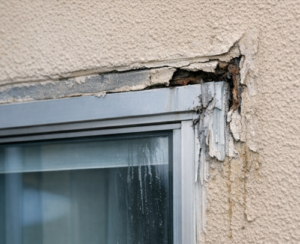
Preventive and predictive maintenance are critical components of this strategy. A structured maintenance plan helps standardize preventive maintenance, reduce emergency repairs, and create consistency in day-to-day property operations. Routine maintenance and O&M task plans can further support staff onboarding and ensure critical tasks are performed consistently, even as hotel teams change.
The financial impact extends beyond avoiding an individual repair. A small, overlooked deficiency can become a significantly more expensive problem when left unaddressed.
The objective is not to eliminate every unexpected repair. It is to reduce the frequency and financial impact of surprises by understanding the condition of critical assets and acting at the right time.
Better Data Leads to Better Capital Allocation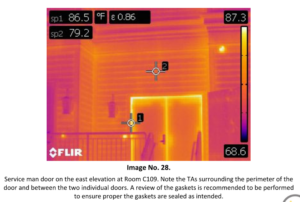
One of the greatest benefits of a smarter facility management strategy is the ability to prioritize capital objectively.
Hotel owners rarely have unlimited capital. Emergencies, brand mandates, guest experience, life-safety concerns, ADA exposure, natural disasters, the distinction between front-of-house and back-of-house priorities, and the owner’s anticipated hold period often drive decisions.
Without reliable building data, these competing priorities can lead to short-term decisions that may not maximize long-term value.
From Facility Management to Asset Strategy
The most effective facility management programs do more than maintain buildings. They support the broader investment strategy.
Knowing when to repair, replace, modernize, or continue maintaining an asset helps owners align facility decisions with their investment horizon and long-term objectives. A comprehensive approach considers the entire building lifecycle, resiliency and failure impacts, modernization opportunities, operational performance, and the timing of future reinvestment.
This is where integrated expertise becomes particularly valuable. Combining architecture, engineering, commissioning, energy and sustainability, facility assessments, and asset management lets you evaluate building conditions not in isolation, but as part of a larger operational and capital strategy.
Plan smarter. Operate better. Invest wisely.